






OnCater- Catering Marketplace Upgrade
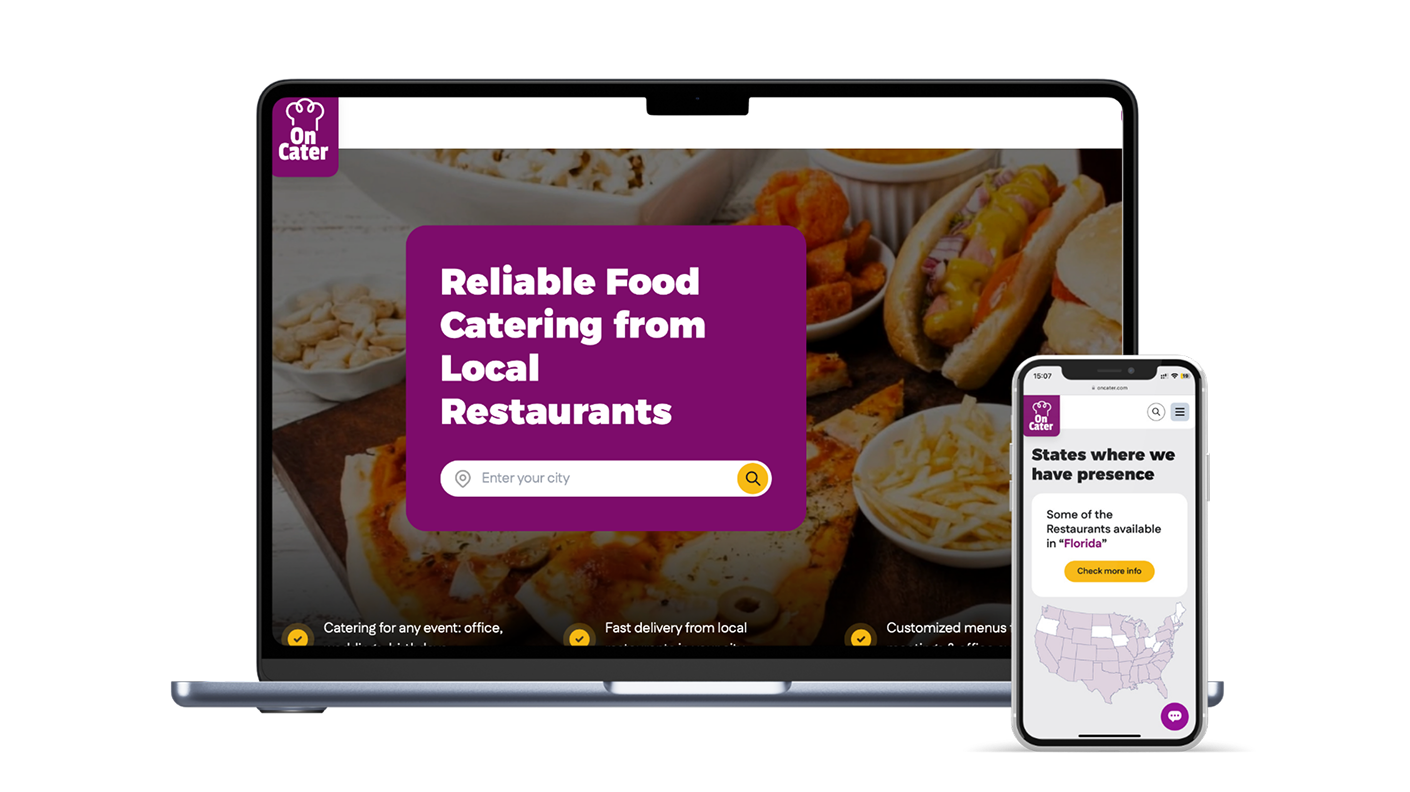
OnCater is a catering marketplace enhanced with group ordering features, rich media menus, and operational activity tracking, enabling fast web and mobile performance.
delivery
decisions
Client rating

Build an order management system around how your business actually receives, routes, fulfils, tracks, and closes orders across channels.
Competenza develops custom order management software for ecommerce brands, retailers, distributors, and multi-location businesses in the UAE and Saudi Arabia that need one place to manage orders, inventory sync, returns, fulfilment status, and integrations with ERP, WMS, POS, and storefronts.


When orders come in from your website, marketplaces, stores, and partner channels, the cracks show quickly. A stronger order management system gives operations teams a central view of orders, inventory, locations, returns, and status updates.
For businesses in the UAE and Saudi Arabia, that matters even more when you are handling marketplace growth, store fulfilment, regional warehousing, VAT-linked finance workflows, and customer expectations around faster delivery visibility.
Bring website, marketplace, store, and warehouse orders into one shared view so teams can track progress faster, reduce confusion, and respond without switching between disconnected systems.
Keep inventory updates aligned across ERP, WMS, POS, and sales channels so businesses can reduce stock mismatches, avoid overselling, and make fulfilment decisions with more confidence.
Route orders based on stock position, location, or fulfilment rules so operations teams can assign orders faster, reduce manual effort, and improve delivery speed across channels.
Manage returns, exchanges, and cancellations through a more structured workflow that improves tracking, reduces missed steps, and gives support and fulfilment teams better operational control.
Keep order, status, inventory, and return data moving more cleanly across connected systems so operations, support, and finance teams can work with more reliable information.
Give commerce, operations, warehouse, and finance teams better visibility into the same order journey so handoffs become smoother and daily execution involves less manual follow-up.
We came to Competenza with a complex platform upgrade: group ordering, video features, iOS/Android launch, and a full admin panel. They broke it into sprints, shipped weekly builds, and delivered on time and within budget. If something came up, they flagged it immediately and came with a fix. No confusion, no wasted time.
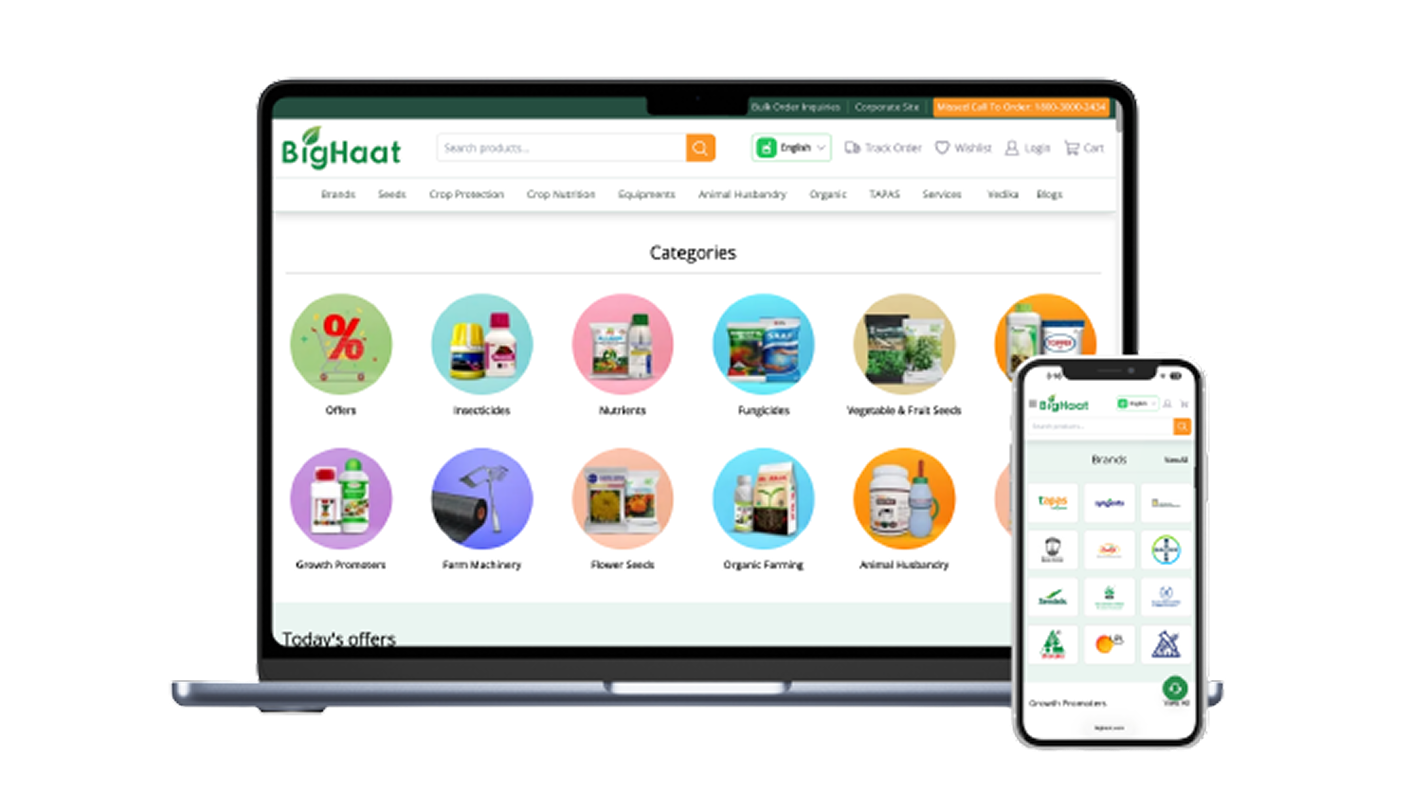
“Competenza took the time to understand how our farmers actually use BigHaat, then rebuilt the platform around that reality. The new stack is faster, easier to run, and gives our teams far more confidence during peak seasons.”
OnCater is a catering marketplace enhanced with group ordering features, rich media menus, and operational activity tracking, enabling fast web and mobile performance.
delivery
decisions
Client rating

delivery
decisions
Client rating
Optimized a high-traffic agriculture marketplace for faster discovery and more reliable checkout. Performance and stability improvements reduced drop-offs during peak demand, helping shoppers complete purchases and teams operate with fewer production surprises.
Faster loads
Higher conversion
Uptime
Faster loads
Higher conversion
Uptime
Sometimes businesses may not realise they have an OMS problem at first. As order volumes grow across websites, marketplaces, stores, and partner channels, operational gaps become harder to ignore. A custom order management system helps solve the issues that slow fulfilment, create stock confusion, and weaken visibility across teams.
When orders come from multiple channels without a shared workflow, teams lose visibility, spend more time reconciling data, and struggle to consistently manage order progress.
Without routing logic inside the system, teams manually decide where orders should go, which slows fulfilment and increases avoidable errors during high-volume periods.
If status changes do not move cleanly across systems, support teams, fulfilment teams, and customers all end up working with incomplete or outdated information.
Poor sync between ERP, POS, WMS, and sales channels creates stock inaccuracies that lead to overselling, fulfilment delays, and unnecessary manual corrections.
Returns, exchanges, and cancellations often sit outside the main workflow, making them harder to track and creating confusion across support, warehouse, and finance teams.
When logs, alerts, and audit trails are missing, teams struggle to identify sync failures, fulfilment issues, and operational bottlenecks before they affect customers.
The right OMS should support daily order operations without forcing teams into rigid workflows. These are the core capabilities businesses usually need when managing orders across channels, locations, and connected systems.
View incoming orders, fulfilment progress, returns, cancellations, and exceptions from a single place, so teams can work faster without relying on scattered tools or manual tracking.
Bring orders from ecommerce stores, marketplaces, POS systems, & partner channels into one structured workflow for cleaner processing & better operational visibility.
Route orders based on stock, fulfilment location, order priority, or channel logic so teams can reduce manual decisions and move orders faster.
Handle fulfilment across multiple stores or warehouses when a single location cannot fulfil the entire order, helping reduce delays and improve order completion.
Keep inventory and order data aligned across ERP, WMS, POS, and commerce platforms to reduce mismatches, overselling, and avoidable fulfilment issues.
Manage returns, exchanges, and cancellations through a structured workflow that gives support, fulfilment, and operations teams clearer visibility and control.
Push order, shipment, and return status changes across connected systems in real time so teams and customers stay informed at every stage.
Track sync failures, order-level changes, and system events through logs that help teams troubleshoot issues and maintain stronger operational accountability.
We develop computer vision pipelines for images and video, encompassing detection, tracking, quality inspection, and anomaly alerts, which are integrated with your operational systems to reduce manual checks and surface issues in real-time.
We set up AI infrastructure, data pipelines, model registries, CI/CD, and monitoring, enabling models to be deployed, versioned, retrained, and governed reliably across environments without disrupting your existing engineering practices.
View incoming orders, fulfilment progress, returns, cancellations, and exceptions from a single place, so teams can work faster without relying on scattered tools or manual tracking.
Bring orders from ecommerce stores, marketplaces, POS systems, & partner channels into one structured workflow for cleaner processing & better operational visibility.
OMS projects work better when the delivery path starts with process mapping, not screens. We begin by understanding where orders enter, how stock moves, who approves exceptions, how returns are handled, and where status updates break.
From there, we define integrations, routing logic, user roles, dashboards, and the handoff plan for launch.
Handle fulfilment across multiple stores or warehouses when a single location cannot fulfil the entire order, helping reduce delays and improve order completion.
Keep inventory and order data aligned across ERP, WMS, POS, and commerce platforms to reduce mismatches, overselling, and avoidable fulfilment issues.
Manage returns, exchanges, and cancellations through a structured workflow that gives support, fulfilment, and operations teams clearer visibility and control.
Push order, shipment, and return status changes across connected systems in real time so teams and customers stay informed at every stage.
Track sync failures, order-level changes, and system events through logs that help teams troubleshoot issues and maintain stronger operational accountability.
Different business models need different OMS workflows. We build around how orders move through your business, whether you are fulfilling from stores, warehouses, marketplaces, or a mix of channels.
Manage website, marketplace, and campaign-driven orders through a single system that improves order visibility, enables faster fulfilment decisions, and reduces manual coordination across channels.
Coordinate orders across store locations and warehouses with better routing, inventory visibility, and fulfilment control for growing retail operations in the UAE and Saudi Arabia.
Bring marketplace orders into one workflow that supports status updates, returns, cancellations, and cleaner sync with inventory and fulfilment systems.
Support structured order handling for distributors and wholesale businesses that need better control over larger order volumes, operational handoffs, and fulfilment visibility.
Create a shared order workflow for businesses selling through ecommerce, stores, marketplaces, and partner channels without losing visibility across systems and teams.
Standardise order processes across UAE and Saudi locations with workflows that support multi-location fulfilment, connected systems, and region-specific operational complexity.
A useful order management system sits between the tools your teams already rely on. The goal is not to add another layer of complexity, but to make order data move more cleanly across the business.
Connect your order management system with ecommerce storefronts so orders, status updates, and fulfilment actions move cleanly between sales and operations.
Bring marketplace orders into one central workflow to improve processing speed, status visibility, and coordination across channels, teams, and fulfilment systems.
Sync order, sales, return, and financial data with ERP systems to reduce manual reconciliation and improve downstream reporting across the business.
Bridge store-level sales and fulfilment workflows with your OMS so inventory visibility and order handling remain more connected across physical locations.
Integrate shipping and delivery systems to support dispatch coordination, shipment tracking, and clearer delivery-status visibility throughout the order lifecycle.
Connect warehouse workflows with order processing so stock movement, picking, packing, and fulfilment progress stay aligned with live order activity.
Order management works best when the system reflects how the business actually operates. We design OMS solutions around real workflows, connected systems, and the operational needs of commerce businesses in the UAE and Saudi Arabia.
We map how your business receives, routes, fulfils, and closes orders, then shape the system around those operational realities instead of generic process assumptions.
Our approach accounts for the systems that affect order flow most, including e-commerce platforms, ERP, WMS, POS, marketplaces, and internal reporting tools.
We build OMS workflows that enable businesses to handle orders across websites, stores, marketplaces, and regional fulfilment setups without losing visibility.
The system is designed to give operations, support, and finance teams cleaner visibility into orders, exceptions, returns, and fulfilment movement.
We align OMS development with the operational complexity common across GCC retail, ecommerce, and distribution environments, including multi-location fulfilment and regional growth.
OMS projects work better when the delivery path starts with process mapping, not screens. We begin by understanding where orders enter, how stock moves, who approves exceptions, how returns are handled, and where status updates break.
From there, we define integrations, routing logic, user roles, dashboards, and the handoff plan for launch.
We begin by understanding how orders enter your business, which teams handle them, where delays happen, and which operational gaps affect fulfilment, returns, visibility, or coordination.
Next, we map the full order journey across channels, locations, systems, and exceptions so the OMS reflects how your business actually routes, tracks, fulfils, and closes orders.
We define the OMS structure, user roles, business rules, and integrations needed with ERP, WMS, POS, storefronts, marketplaces, and logistics systems to support cleaner order movement.
The system is built around your core workflows, then tested across common and exception-based scenarios to validate routing, sync, visibility, returns handling, and day-to-day operational reliability.
After rollout, we support handover, monitor real-world usage, refine workflows, and improve the OMS based on operational feedback, changing order patterns, and evolving business requirements.
Order management system development often connects with broader retail, ecommerce, and fulfilment workflows. These related services help businesses in the UAE and Saudi Arabia build a more connected operating stack around orders, inventory, customer experience, and execution.
Build connected retail systems that integrate POS, OMS, WMS, and e-commerce workflows. This is a strong fit for businesses that need better coordination between stores, online sales, fulfilment, and inventory visibility.
Strengthen the commerce layer that feeds orders into your OMS with better storefront experiences, deeper ERP and POS integrations, and cleaner coordination between sales, checkout, fulfilment, and customer journeys.
Improve fulfilment operations by implementing warehouse workflows that support stock visibility, picking, packing, and inventory control, while working more closely with order management and downstream delivery execution.

OMS stands for order management system. It is the software used to manage the full order lifecycle, including order capture, routing, fulfilment, status tracking, returns, exchanges, and cancellations across connected sales and operations systems.

An order management system manages the full order lifecycle, including capture, routing, fulfilment, returns, and status tracking. Inventory management software primarily focuses on stock levels, movement, and availability across warehouses, stores, or connected sales channels.

An omnichannel order management system improves fulfilment by providing teams with a single view of orders across channels, applying routing rules, reducing manual allocation decisions, and improving coordination between warehouses, stores, logistics partners, and customer-facing teams.
Order management system development timelines depend on workflow complexity, integrations, user roles, and feature depth. A simpler custom OMS may take a few months, while larger multi-channel order management systems usually need a broader phased rollout.
Custom order management system development is especially useful for e-commerce brands, retail chains, distributors, and omnichannel businesses that manage orders across multiple channels, locations, and systems and need better visibility, routing, and operational control.
Ready-made marketplace software launches in weeks and costs less upfront, but you inherit the vendor's limits on workflow and payout logic.
Most e-commerce projects in Dubai fail for the same reason: they choose a development partner based on design capabilities rather than technical strength. Architecture
Competenza has formed a strategic partnership with Fynd to bring a unified commerce stack to retailers and high-growth e-commerce startups across the UAE and the Middle East.
Unify orders, inventory, fulfilment, and returns in one system built for multi-channel operations across ecommerce, retail, and distribution.